I am a caregiver: Emily’s story
By Florida Blue
Share:
November 05, 2025
There are 20 million more family caregivers than 10 years ago
Ten years ago, Lorrie boarded a plane headed for North Carolina. One of her friends there needed a kidney transplant, and Lorrie wanted to find out if her kidney could be a match.
During testing, the doctors spotted something unusual on Lorrie’s kidney scans. Lorrie would not be able to donate her kidney, after all; instead, she left North Carolina with a diagnosis of renal cell carcinoma, the most common form of kidney cancer.
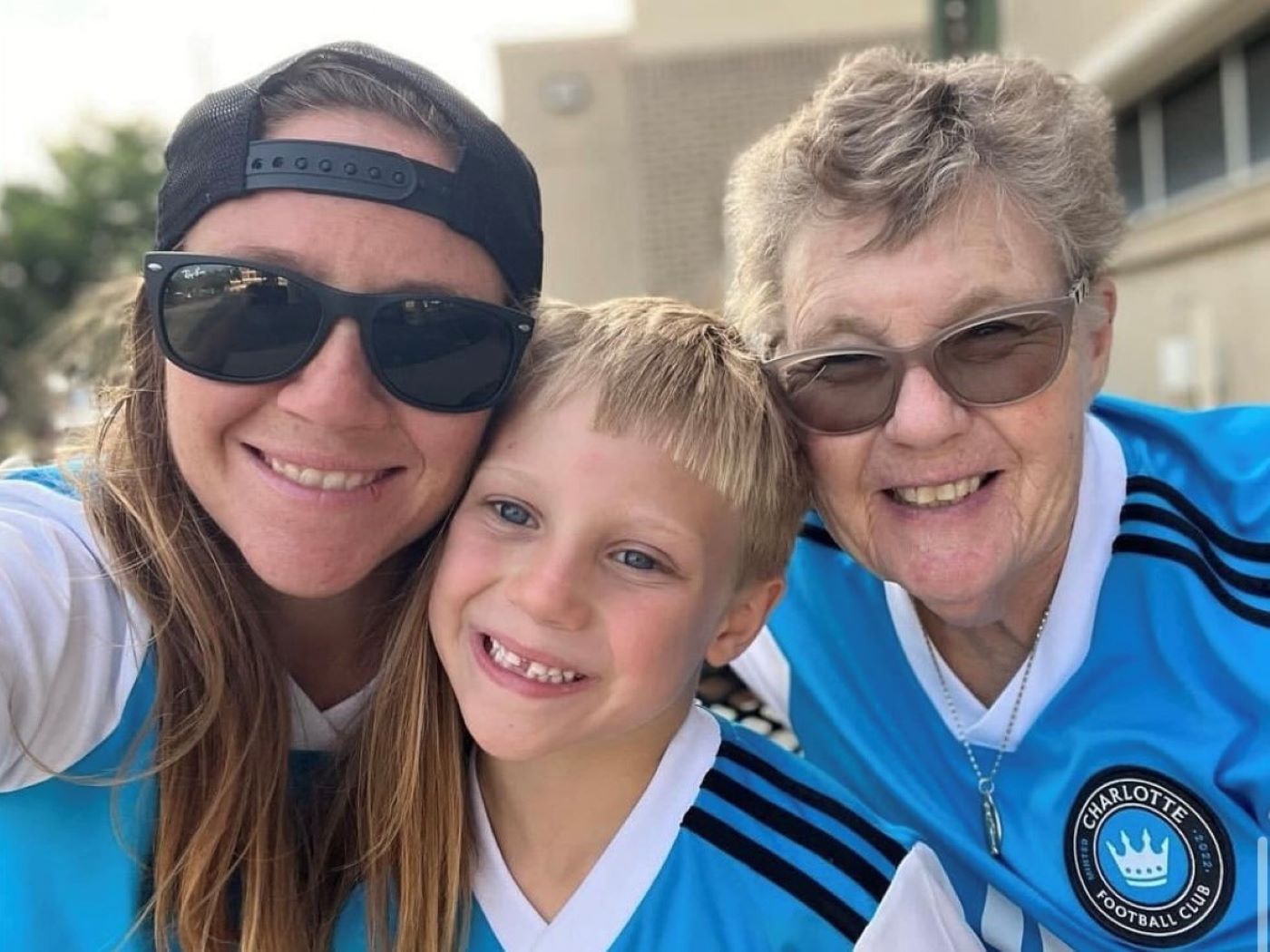
For Lorrie’s daughter, Emily, her mom’s cancer diagnosis was the beginning of a long and emotional journey as her mother’s primary caregiver. Like Emily, one in four adults in the United States — 63 million people — are full-time caregivers for a family member, according to a 2025 report from the National Caregiving Alliance and AARP. And the number of people who will serve as caregivers for a loved one is only growing. The number of family caregivers in the United States has grown by 20 million over the past 10 years.
“It was the hardest thing I have ever done and witnessed,” Emily said. “Seeing a loved one suffer from pain and not being able to help was one of the hardest parts.”
Lorrie had part of her kidney removed, but experienced complications that kept her in a Tampa hospital for two weeks. Emily used all her time off from her job to be there for her. Lorrie recovered and later went into remission from cancer.
After a few years of remission, Lorrie’s family got the news they’d been dreading. The cancer was back, and now it had spread to her bones. Emily drove her mother nearly six hours round trip from Port St. Lucie to Tampa for her treatments. While her mom received care, Emily worked on her laptop from the hospital.
Of the 63 million caregivers in the U.S., 60 percent of them are also working, all while providing 40 hours or more a week of care to their loved ones. About half of these caregivers say they have to juggle work and caregiving responsibilities, taking time off or working different hours, according to the 2025 National Caregiving Alliance report. Although more caregivers report feeling supported at work than in past years, salaried workers are much more likely to have benefits like flex time through their jobs to help, while hourly workers are less likely to get that support at work.
Most caregivers face mounting financial pressures, too. According to the report:
Some of these pressures could explain why one-fifth of caregivers say their health has worsened over time.
“Caregivers often put the needs of their loved ones ahead of their own needs,” said Dr. Thomas Graf, vice president and chief medical officer for Florida Blue Medicare. “But it’s important to remember you have to take care of yourself to provide the best possible care to the person you’re caring for. By recognizing the burdens caregivers face, we can create a more supportive environment that allows them to provide care without suffering themselves."
Before she developed cancer, Lorrie had always been independent. She’d raised Emily and her three other children alone, worked as a teacher, and traveled to five continents, visiting countries like India and Zimbabwe. In October 2023, she’d gone on a road trip across the country with one of Emily’s siblings. But by November 2023, her body was weakening. She signed up for hospice care.
“After a couple years of chemo, she didn’t want to feel the way she was feeling, anymore,” Emily said. “In July 2023, she moved in with me and my family.”
Lorrie had to stay in bed because of her high risk for broken bones, so Emily’s role as a caregiver shifted to 24/7 care: changing her and bathing her, cleaning sheets, giving medicine, and cooking meals. It wasn’t an easy transition. A social worker helped Lorrie and Emily resolved their biggest issues, navigating the shift from a parent-child dynamic to a patient-caregiver one.
“One of the biggest challenges for me was I had to turn off the switch of being a child and be a caregiver,” Emily said. “I knew the most important thing was taking care of my mom. I never wanted her to feel bad about it. My mom was always very independent so having to rely 100% on me was a challenge for her.”
In April 2024 at age 72, Emily’s mom passed away at home, surrounded by most of her children. It’s still a little hard for Emily to talk about, but she’s grateful she got to be her mother’s caregiver and was there to comfort her in her last few months, despite any challenge she faced or how hard it was emotionally.
Now, she’s training for a marathon to raise money for the hospital where her mother received her care. Her friends are donating $1 for every mile she runs.
“Being a caregiver, mainly taught me, if I was able to do that, I can accomplish anything in my mind,” Emily said. “I definitely think it made me a stronger person. It’s not always what happens to you; it’s how you overcome it.”
Be patient. Remember this is hard on everyone — you and your loved one.
Stay positive. A positive mindset makes a huge difference.
Take care of yourself, too. Don’t feel guilty when you need a break.
Take time to exercise: Running and working out was a huge stress reliever for Emily.
Ask for help: Emily relied on help from social workers, nurses and other family members. You don’t have to go it alone.
Looking for resources and support on your caregiving journey? Visit FloridaBlue.com/Caregiver for tools and resources, including our Family Caregiver Guide. Or call our community specialists at our Florida Blue Centers for help finding community resources and support. Visit FloridaBlue.com/Centers to find a center near you. Call 1-877-352-5830 for help by phone.
New Report Reveals Crisis Point for America’s 63 million Family Caregivers