Flourish in older age: The importance of caring for your body and mind
By Thomas Graf, M.D., FAAFP, Dr. Naakesh Dewan, Vice President of Behavioral Health, Florida Blue & GuideWell
Share:
December 23, 2025
As the world’s population ages, it's becoming increasingly clear that flourishing in older age is not just a personal goal, but a societal imperative. By 2030, there will be 70 million adults over 65 in the United States alone — one-fifth of our country’s total population — and 1.5 billion adults over 65 across the globe, according to the U.S. Census Bureau1.
The growing number of older adults shows why we need to focus on healthy aging. And the good news is getting healthier and improving our well-being can start at any age. Adhering to a few key principles can make a big difference in how you age — getting regular exercise, eating fruits and vegetables, staying connected to friends and family, and practicing mindfulness.
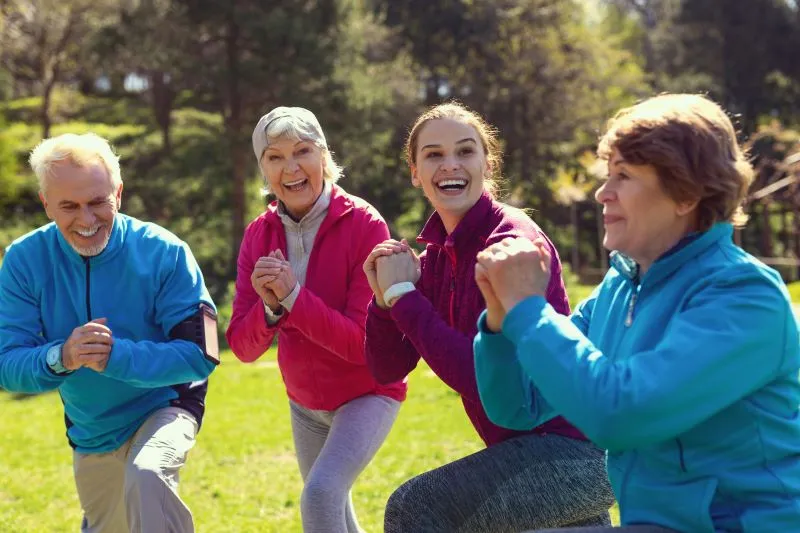
Time and again, physical activity has been proven to help people maintain their independence and mobility as they age and reduce the risks for depression and certain conditions. Staying active can reduce the risk of chronic diseases, such as heart disease, diabetes, and some cancers, by up to 35%, according to the World Health Organization2. Another study found that getting regular exercise helps older adults maintain their ability to perform everyday tasks and reduces their risk of falls, which are a major threat to their mobility. Patients trust their doctors, which makes it all the more crucial for health care providers to encourage and promote physical activity in older adults.
In addition to the physical challenges older adults often face, aging can also present us with new mental health challenges. According to the National Institute of Mental Health, one in five older adults experiences depression3, which can affect their quality of life and physical health. However, older adults are more likely than other age groups to avoid seeking care for their mental health due to stigma and fear of judgement. Loneliness is often a contributing factor to depression among older adults. In fact, a study published in the Journal of Gerontology found that older adults who participated in social activities and had social connections had improved mental health and a reduced risk of cognitive decline. Again, because older adults are less likely to seek mental health care, primary care doctors play a crucial role in supporting their patients’ mental health.
One of the reasons it’s so important to encourage older adults to seek mental health care is the connection between a person’s physical health and their mental health. People living with chronic conditions like diabetes are more likely to develop depression, and depression is also linked to the onset of certain chronic conditions, according to the Centers for Disease Control & Prevention. Also, adults who care for their physical and emotional health are likely to live longer, healthier lives and have 25% lower risk of dying prematurely4.
Traits like resilience, optimism, and social engagement are associated with better health outcomes. In fact, research from the University of California San Diego shows that practicing being kind and optimistic can reduce symptoms of depression5. Getting regular exercise, like a daily walk, and eating well and getting enough sleep can also reduce symptoms of depression, anxiety and obesity.
By taking care of our bodies and minds as we age, we can continue to feel our best and live meaningful, purposeful lives. Flourishing as we age is not only possible, it’s probable if we make healthy aging a priority. By leaning into whole-person care and shifting how we view aging in health care, we can create a society and a health care system that supports and enables older adults to thrive.
1By 2030, All Baby Boomers Will Be Age 65 or Older
2Nearly 1.8 billion adults at risk of disease from not doing enough physical activity
3Older Adults and Mental Health - National Institute of Mental Health (NIMH)