5 essential steps to manage heart disease
By Florida Blue
Share:
February 02, 2026
Living with heart disease can be challenging, but with the right strategies, you can take control of your condition and improve your quality of life. We've got the inside scoop on the top 5 essential steps to help you manage your heart condition and live your healthiest life.
And the best part? These steps are so easy, you can start doing them today!
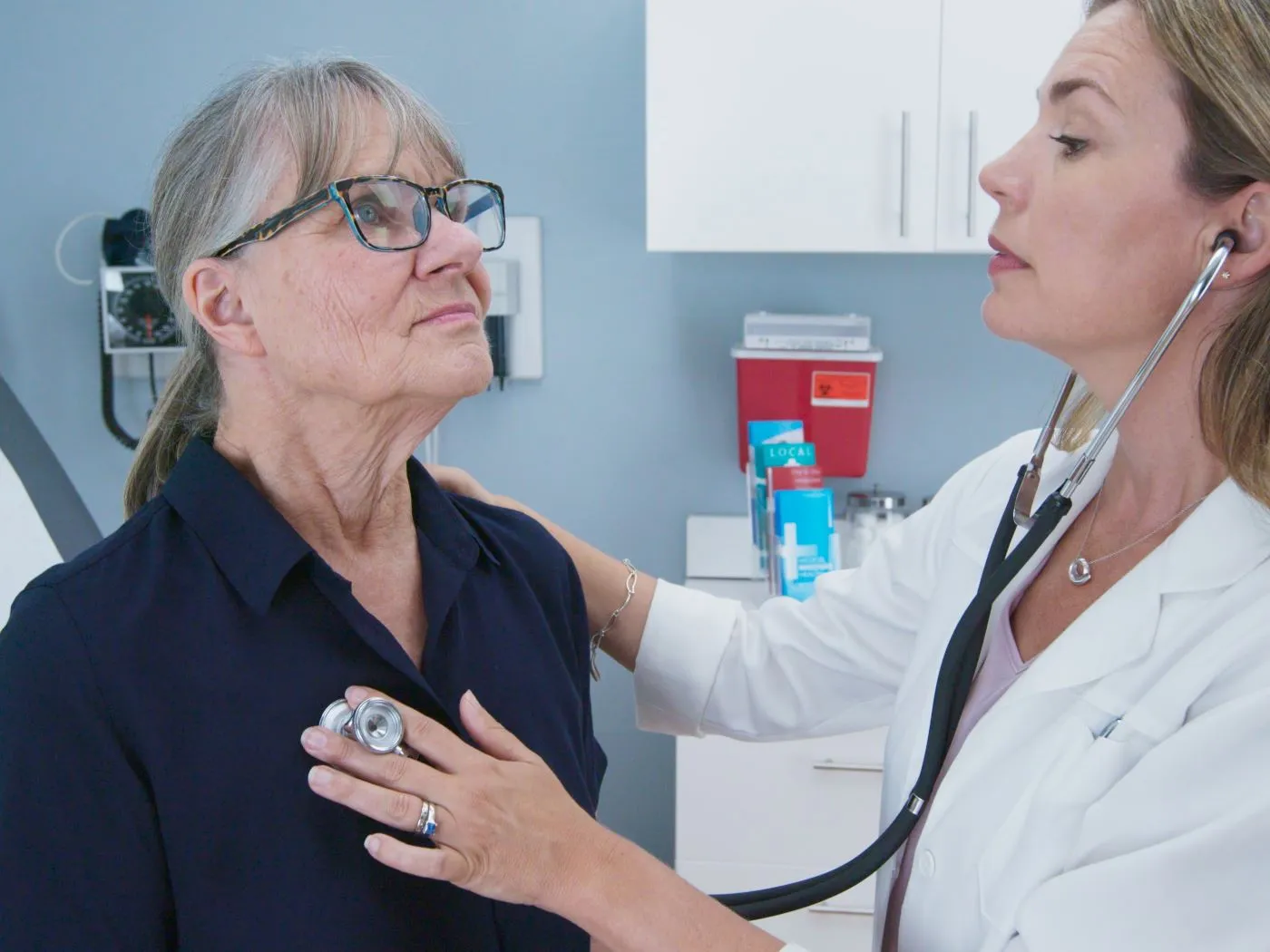
Seeing your doctor regularly and staying up-to-date on recommended vaccinations and screenings can help identify potential issues before they become major problems. This includes checking your blood pressure, cholesterol levels, and blood sugar levels. By taking these preventive measures, you can significantly reduce your risk of heart disease complications. And don’t forget to get your annual flu vaccine at the start of the flu season to protect you and your loved ones from the flu and its potential complications.
A healthy lifestyle is crucial for managing heart disease. Regular physical activity can help lower your blood pressure, improve your cholesterol levels, and reduce your risk of heart disease complications. Ask your doctor about the best exercise plan for your specific needs and abilities.
A balanced diet can also help you maintain a healthy weight, lower your blood pressure, and improve your overall health. Focus on eating plenty of fruits, vegetables, whole grains, and lean proteins. Stress also can increase your blood pressure and worsen your heart disease symptoms. Find healthy ways to manage stress, such as meditation, yoga, or deep breathing exercises.
Taking your medications as prescribed is crucial for managing heart disease. This includes any medications you are taking for high blood pressure, high cholesterol, and diabetes. After a hospital stay, make sure you understand your medication regimen and any changes made during your hospitalization. An important tool for keeping your heart healthy is a statin. Statins can also help lower your cholesterol levels and reduce your risk of heart disease complications. Check with your doctor to determine if statin therapy is right for you.
If you’ve recently been in the hospital or are planning care that requires a hospital stay, our team can help you navigate your transition home. This includes helping you manage your medications after you’re discharged, working with you to understand any next steps, and helping you get back safely in your home. It's also essential to keep your doctor informed about any changes in your condition or any concerns you may have. By staying connected with your health care team, you can ensure a smooth transition and reduce your risk of complications.
We can work with you and your doctor to help you get necessary care and specialist appointments. Our team can also help coordinate your health care services to make sure your care is seamless. Additionally, when you call our member services team, you can talk with someone in the language you prefer to help get the support you need and answers to any questions you may have. We're committed to providing you with the education and resources you need to take control of your heart health.
Want to learn more about our care management team? Want to learn more about our care management team? Visit www.FloridaBlue.com/Medicare.